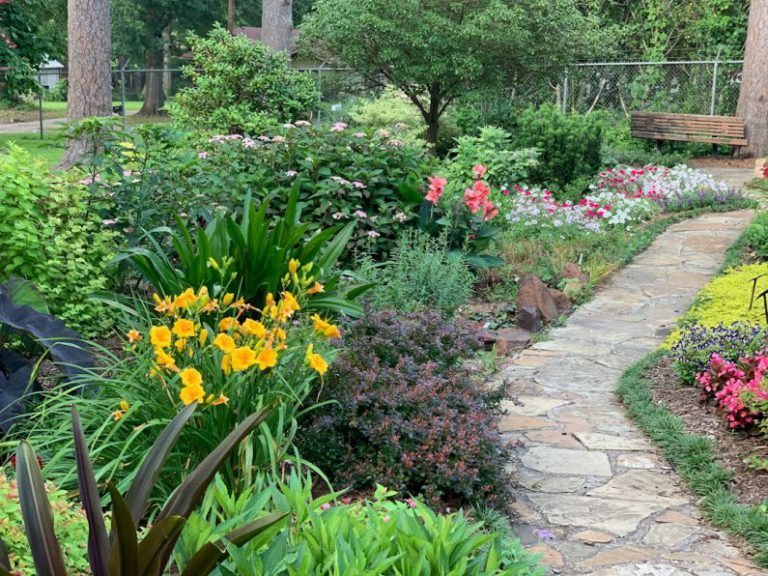

How to Create a Relaxing Zen Garden?
Creating a Zen garden is a wonderful way to bring peace and tranquility into your outdoor space. With its minimalist design and focus on natural elements, a Zen garden can provide a serene and calming atmosphere for relaxation and meditation. If you’re looking to create your own Zen garden, here are some essential tips to help you get started.
Choosing the Right Location
The first step in creating a Zen garden is to choose the right location. Look for an area in your yard that receives ample sunlight and is relatively quiet. It should be a space where you can retreat and find solace. Consider the size of the area as well, as a smaller garden may be easier to maintain and create a sense of intimacy.
Creating a Balanced Design
A key principle of Zen gardens is balance and simplicity. The design should be clean and uncluttered, with a focus on natural elements. Start by defining the borders of your garden using rocks or wooden slats. Arrange them in a way that creates a sense of harmony and balance. Avoid using too many different materials or colors, as this can disrupt the overall tranquility of the space.
Choosing the Right Plants
When it comes to plants, less is more in a Zen garden. Stick to a few well-chosen plants that complement the overall design. Evergreen shrubs, bamboo, or ornamental grasses are excellent choices for a Zen garden. These plants provide a sense of structure and can create a calming backdrop for the other elements in the garden. Avoid using plants that require high maintenance or attract too much attention.
Incorporating Water Features
Water features are an essential element in a Zen garden as they symbolize tranquility and flow. Consider adding a small pond, a simple fountain, or even a small stream. The sound of running water can be incredibly soothing and can help drown out any external noise. Position the water feature in a central location where it can be enjoyed from different angles. To create a harmonious effect, use natural materials such as stone or bamboo for the construction.
Adding Elements of Rock and Sand
Rocks and sand are fundamental components of a Zen garden. Rocks represent stability and strength, while sand symbolizes tranquility and calmness. Use different sizes and shapes of rocks to create a visually appealing composition. Arrange them in a way that mimics the natural flow of water or mountains. Additionally, consider adding a sand or gravel area that can be raked into patterns to create a sense of movement and meditation.
Emphasizing Simplicity and Functionality
Simplicity and functionality are at the core of Zen design. When selecting furniture or decorative elements, choose items that are minimalistic and serve a purpose. Opt for clean lines and natural materials such as wood or stone. Avoid cluttering the space with unnecessary objects or ornaments. Remember, the goal is to create a serene and uncluttered environment that promotes relaxation and mindfulness.
Maintaining the Garden
Once your Zen garden is created, it’s important to maintain its peaceful atmosphere. Regularly rake the sand or gravel to keep it neat and free of debris. Trim plants and shrubs as needed to maintain their shape and prevent overgrowth. Keep an eye out for any weeds and remove them promptly. By regularly tending to your Zen garden, you can ensure its longevity and continue to enjoy its calming benefits.
In conclusion, creating a Zen garden can be a fulfilling and rewarding experience. By carefully selecting the location, incorporating natural elements, and focusing on simplicity and balance, you can create a space that promotes relaxation and tranquility. So, why not embark on this journey and bring a sense of Zen into your own outdoor oasis?