
How to Design a Kid-friendly Outdoor Space?
Creating a kid-friendly outdoor space is an exciting project that can provide endless hours of fun and enjoyment for your children. By incorporating elements that cater to their needs and interests, you can design a space that encourages active play, imagination, and exploration. In this article, we will explore some key considerations and ideas for designing a kid-friendly outdoor space.
Safety First
When designing a kid-friendly outdoor space, safety should always be the top priority. Ensure that the area is free from any potential hazards such as sharp objects, poisonous plants, or uneven surfaces. Install safety features like rubberized flooring or play mats to cushion any falls. Additionally, consider adding a secure fence or gate to prevent children from wandering off.
Create Zones
To maximize the functionality of your outdoor space, consider creating different zones that cater to various activities. For example, designate an area for active play, such as a jungle gym or a trampoline. Include a section for imaginative play, such as a playhouse or a sandbox. You can also create a cozy reading nook or a gardening corner to encourage children to engage in quieter activities. By creating different zones, you provide children with a variety of options to explore and enjoy.
Choose Age-Appropriate Equipment
When selecting outdoor equipment, make sure it is suitable for your child’s age and development. Younger children may benefit from low-to-the-ground play structures or swings with back support. As children grow, you can gradually introduce more challenging equipment such as climbing walls or monkey bars. Keep in mind that equipment should be sturdy, well-maintained, and meet safety standards.
Integrate Natural Elements
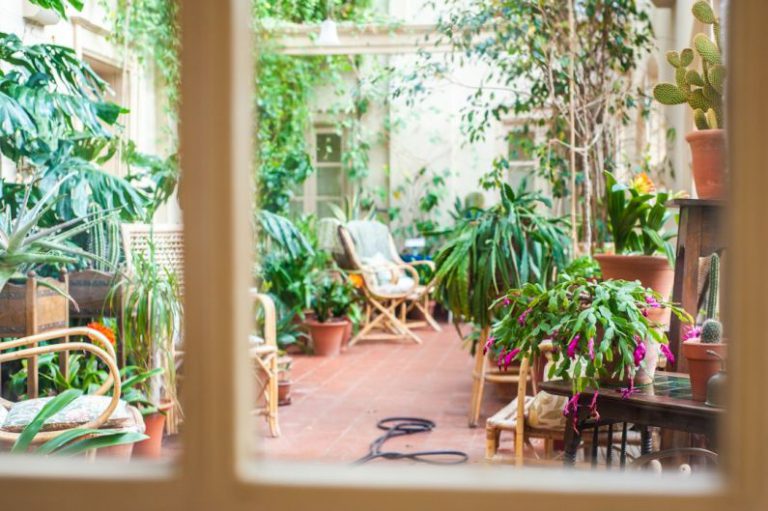
Incorporating natural elements into your outdoor space can enhance its appeal and provide opportunities for sensory experiences. Consider adding a small garden where children can learn about plants, grow their own vegetables, or simply enjoy the beauty of nature. Including a water feature, such as a shallow pond or a water table, can also provide a refreshing and stimulating play experience. Natural elements not only stimulate children’s senses but also foster a sense of curiosity and respect for the environment.
Encourage Creativity and Imagination
A kid-friendly outdoor space should inspire creativity and imaginative play. Provide materials such as chalkboards, art easels, or large empty containers that can be transformed into forts or pretend play areas. Consider incorporating loose parts like logs, stones, or branches that children can use to build and create their own structures. By offering open-ended materials and opportunities for imaginative play, you encourage children to think creatively and use their imaginations.
Make it Comfortable
To make the outdoor space inviting and comfortable, include seating options for both children and adults. Consider adding benches, picnic tables, or even hammocks for relaxation. Providing shade is also essential, whether through natural elements such as trees or by installing umbrellas or canopies. Comfortable seating and shade allow for longer periods of play and provide a space where children and caregivers can enjoy the outdoor environment together.
Promote Physical Fitness
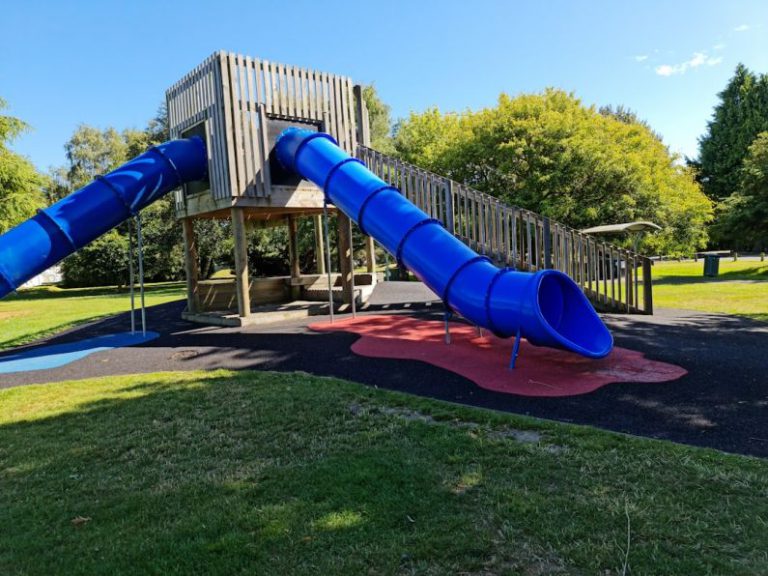
Designing a kid-friendly outdoor space is an excellent opportunity to promote physical fitness and active play. Include equipment that encourages movement such as slides, climbing structures, or obstacle courses. You can also incorporate features like hopscotch or a mini basketball hoop to engage children in fun physical activities. By providing opportunities for active play, you contribute to children’s overall health and well-being.
In conclusion, designing a kid-friendly outdoor space involves considering safety, creating zones, choosing age-appropriate equipment, integrating natural elements, encouraging creativity and imagination, making it comfortable, and promoting physical fitness. By incorporating these elements, you can create an outdoor space that not only caters to children’s needs but also fosters their development and enjoyment of the outdoors. So, roll up your sleeves, let your creativity flow, and start designing the perfect outdoor space for your little ones to explore and play!