How to Incorporate Biophilic Design in Your Home?
In a fast-paced world dominated by technology, it’s easy to lose touch with nature. However, incorporating biophilic design in your home can help reconnect you with the natural environment, bringing numerous benefits to your overall well-being. Biophilic design is an innovative approach that seeks to integrate nature into our living spaces, creating a harmonious and sustainable environment. If you’re looking to create a more calming and rejuvenating home, here are some ways you can incorporate biophilic design.
1. Introduce Natural Light
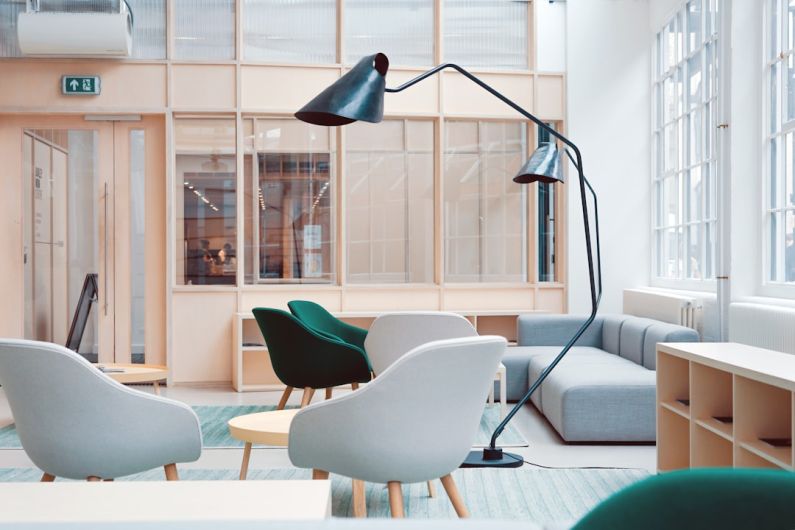
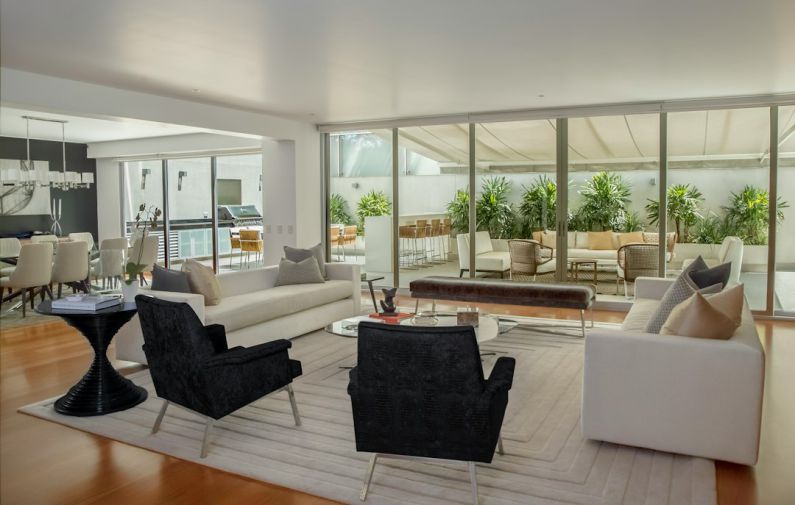
One of the fundamental principles of biophilic design is to maximize natural light in your home. Natural light not only enhances the aesthetics of your space but also has a significant impact on your mood and productivity. Consider removing heavy curtains or blinds that obstruct sunlight and opt for sheer or light-colored fabrics that allow more light to filter in. Additionally, you can strategically place mirrors to reflect natural light and create the illusion of a larger space.
2. Use Natural Materials
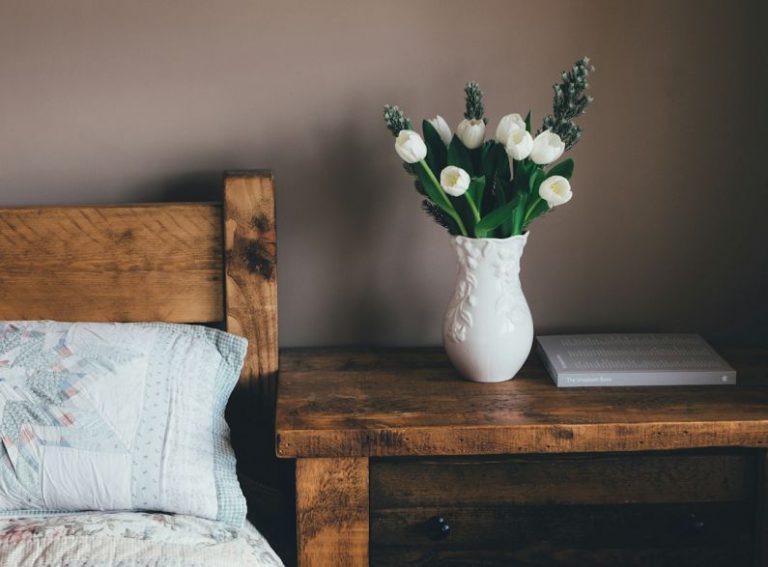
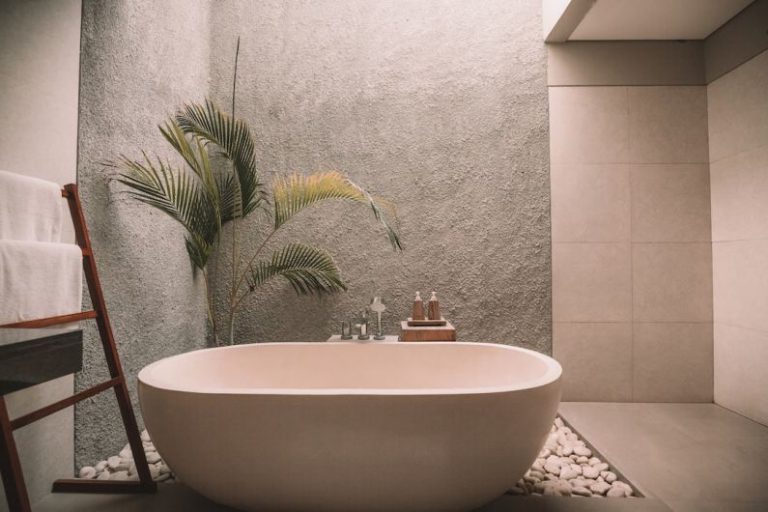
Another way to incorporate biophilic design is by incorporating natural materials into your home. Materials such as wood, stone, and bamboo can bring a sense of warmth and texture to your space. Consider using reclaimed wood for flooring or furniture, or adding stone accents to your walls. These natural materials not only add visual interest but also create a connection to the outdoors.
3. Bring in Plants and Greenery
Plants are a vital element of biophilic design. They not only improve air quality but also create a sense of tranquility and connection to nature. Introduce a variety of potted plants throughout your home, including both large and small ones. You can also create vertical gardens or hanging planters to maximize your use of space. Additionally, consider incorporating a living wall or a green roof to bring nature indoors.
4. Incorporate Water Features
Water features, such as fountains or indoor ponds, can add a soothing element to your home. The sound of flowing water can create a sense of calm and relaxation, promoting a peaceful atmosphere. You can incorporate water features in your entryway, living room, or even your bathroom. Just be mindful of the maintenance required and ensure that the water is properly contained to prevent any damage to your home.
5. Create Views of Nature
If you’re fortunate enough to have a beautiful view outside your home, make the most of it by creating unobstructed views. Arrange your furniture in a way that allows you to enjoy the natural scenery from various angles. You can also consider installing large windows or glass doors to maximize the view. If you don’t have an appealing view, you can create a green wall or place artwork depicting nature to create the illusion of a natural landscape.
Incorporating biophilic design in your home can have a profound impact on your well-being and overall happiness. By introducing natural light, using natural materials, bringing in plants and greenery, incorporating water features, and creating views of nature, you can create a space that promotes relaxation, rejuvenation, and a deeper connection to the natural world.
In conclusion, biophilic design offers a unique and innovative way to bring nature into our homes. By incorporating these simple yet effective principles, you can create a space that not only looks visually appealing but also promotes a sense of tranquility and well-being. So why not embrace biophilic design and transform your home into a sanctuary that nourishes both your body and soul?