How to Make Your Garden Wildlife-friendly?
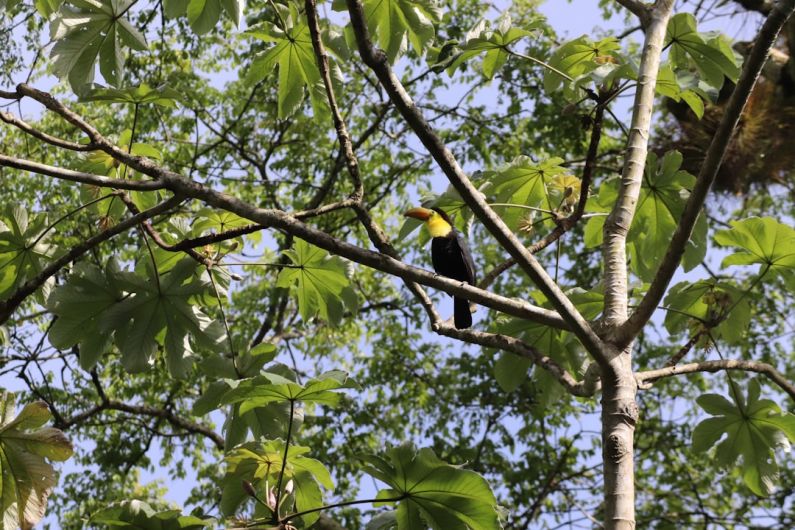
Creating a garden that is wildlife-friendly is not only beneficial for the environment but also adds a vibrant and natural touch to your outdoor space. By making a few simple changes and additions, you can attract a variety of wildlife species to your garden, from birds and butterflies to bees and hedgehogs. Here are some tips on how to make your garden more wildlife-friendly.
Provide a Variety of Food Sources
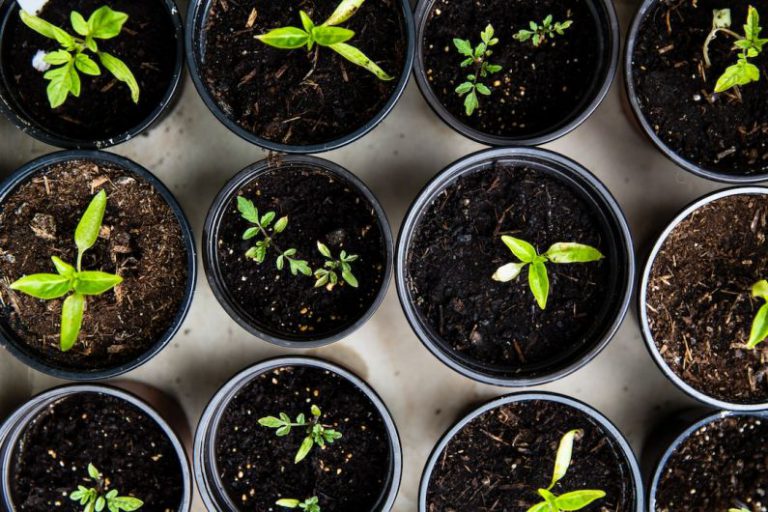
One of the most important aspects of attracting wildlife to your garden is providing a variety of food sources. Different species have different dietary requirements, so it’s essential to offer a range of options. Planting a mix of flowers, shrubs, and trees that produce nectar, berries, seeds, and nuts will attract a diverse range of birds, bees, and small mammals.
Consider planting native plants, as they are better suited to the local environment and provide food for native wildlife. Additionally, leave some areas of your garden wild and untamed, allowing grasses and wildflowers to grow, as these can be valuable sources of food and shelter for insects and small mammals.
Provide Water Sources
Just like humans, wildlife needs access to water for drinking and bathing. By providing a water source in your garden, you can attract a wide range of creatures. A bird bath or a shallow dish filled with water will suffice for birds, while a small pond or water feature can attract frogs, newts, and dragonflies.
Ensure that the water source is easily accessible and kept clean to prevent the spread of disease. Additionally, consider placing some stones or logs in the water for insects and amphibians to rest on.
Create Shelter and Nesting Sites
Wildlife needs shelter to feel safe and protected. By providing a variety of shelter options, you can encourage different species to make your garden their home. Planting dense shrubs and hedges can provide excellent cover for birds and small mammals, while a log pile or rockery can create hiding places for insects and amphibians.
Consider installing bird boxes, bat boxes, and insect houses to provide nesting sites for these creatures. These artificial structures mimic natural habitats and can entice wildlife to breed and raise their young in your garden.
Avoid Chemicals and Pesticides
Chemicals and pesticides can be harmful to wildlife, especially insects and other small creatures that are essential for maintaining a healthy ecosystem. Instead of relying on chemicals, try using natural methods to control pests in your garden. For example, encourage natural predators such as birds and frogs by providing food and shelter for them.
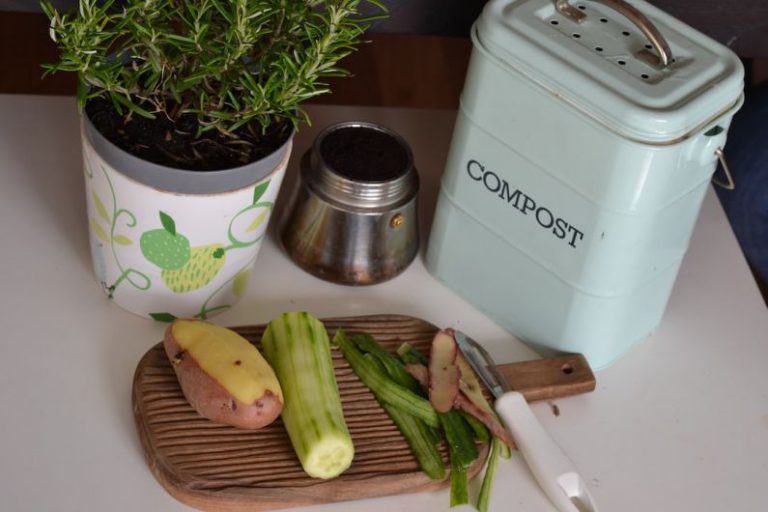
Additionally, consider using organic fertilizers and compost to nourish your plants, as these are safer alternatives to chemical-based products.
Final Thoughts
Creating a wildlife-friendly garden is a rewarding and environmentally conscious endeavor. By providing a variety of food sources, water, shelter, and nesting sites, you can attract a diverse range of creatures to your garden. Avoiding the use of chemicals and pesticides is also crucial for the well-being of wildlife. So, why not transform your garden into a haven for birds, butterflies, and other fascinating creatures? Start making small changes today, and watch as your garden comes alive with nature’s wonders.