How to Make Your Small Space Appear Larger?
Maximizing the space in a small living area can be a challenge. However, with the right strategies and techniques, you can make your small space appear larger and more open. By utilizing clever design tricks and making smart choices in furniture and decor, you can create an illusion of spaciousness that will transform your living space. Here are some tips on how to make your small space appear larger.
Choose Light Colors
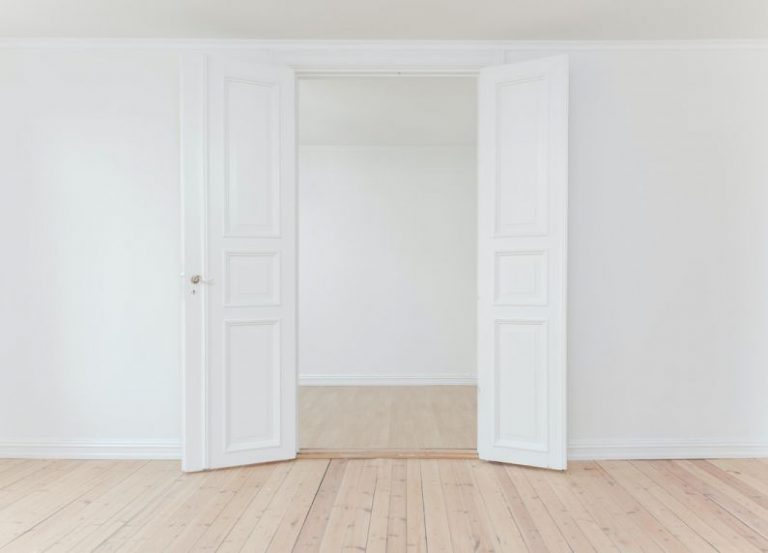
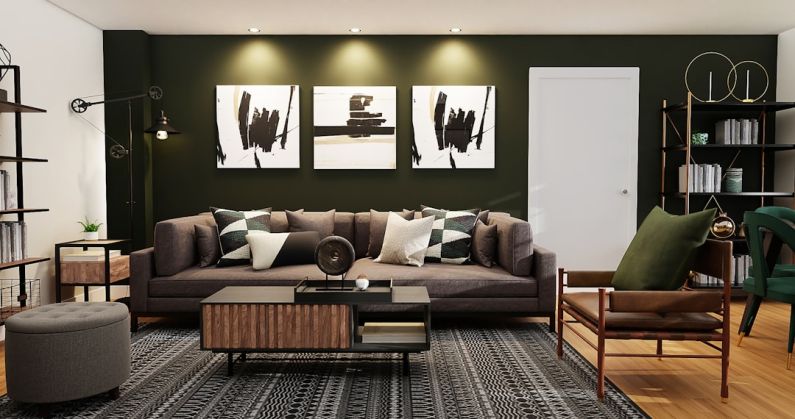
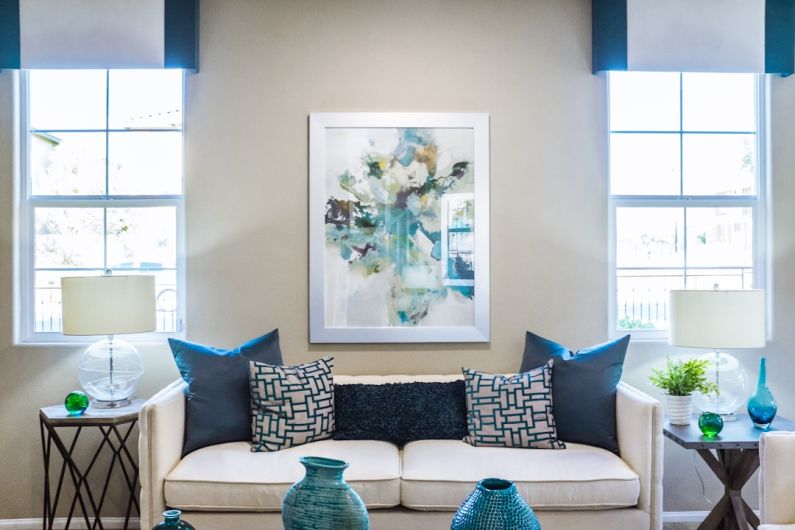
One of the most effective ways to make a small space look bigger is to use light colors on the walls and floors. Light colors, such as whites, creams, and pastels, reflect light and create an airy and open atmosphere. Dark colors, on the other hand, tend to absorb light and make a space feel smaller and more confined. By opting for light colors, you can instantly make your small space feel more expansive and inviting.
Use Mirrors Strategically
Mirrors are a powerful tool when it comes to making a small space appear larger. Placing mirrors across from windows or in narrow hallways can create the illusion of depth and add visual interest to the room. Additionally, mirrors reflect light, making the space feel brighter and more open. Consider incorporating a large mirror as a focal point in your small space to maximize its impact.
Opt for Multifunctional Furniture
When dealing with limited space, it is essential to choose furniture that serves multiple purposes. Look for pieces that offer hidden storage, such as ottomans with built-in compartments or beds with drawers underneath. Additionally, consider investing in furniture that can be easily folded or transformed to save space when not in use. By opting for multifunctional furniture, you can maximize your storage options and keep your small space clutter-free.
Utilize Vertical Space
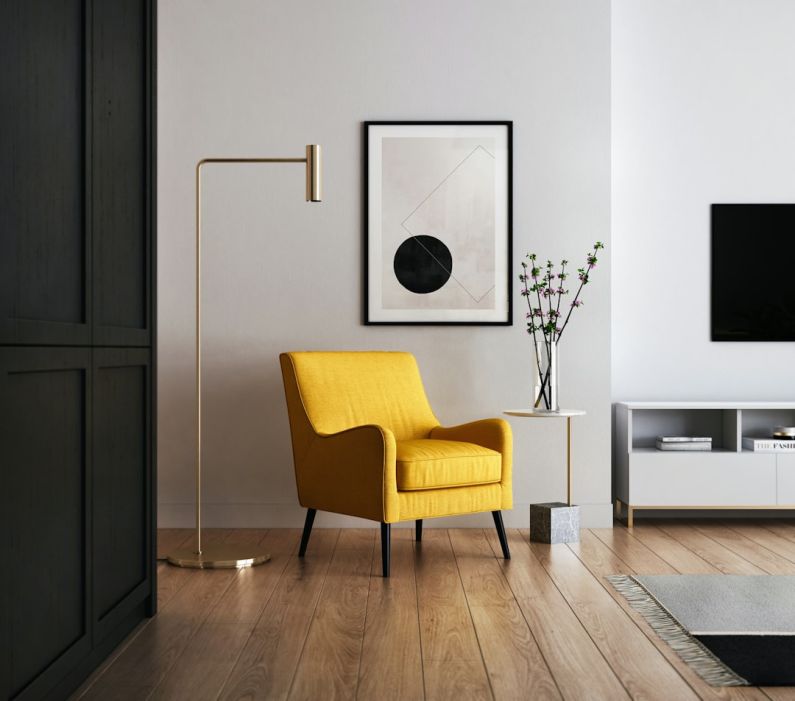
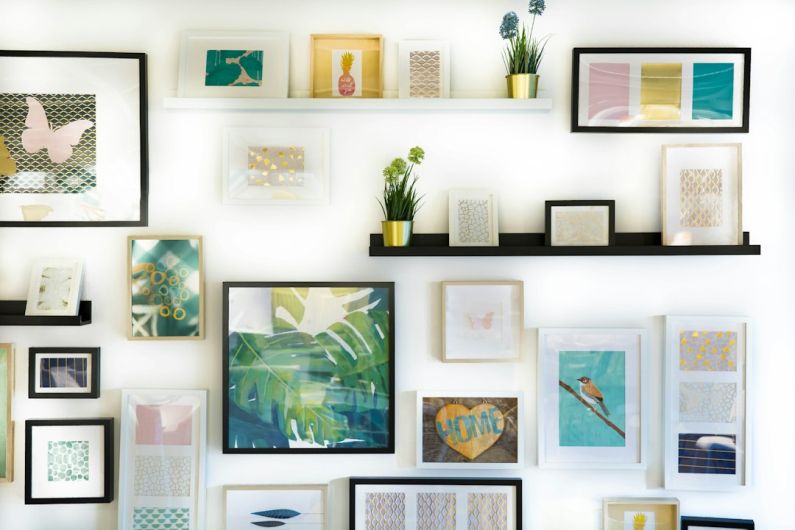
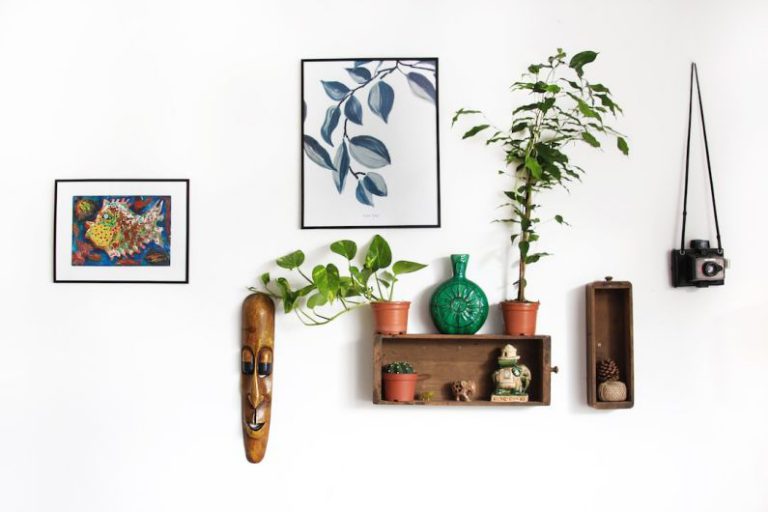
To make the most of a small space, it is crucial to utilize vertical space effectively. Install shelves or floating wall-mounted units to store books and display decorative items. Hanging plants or artwork can draw the eye upward, creating the illusion of higher ceilings and more space. Additionally, tall furniture, such as bookcases or armoires, can provide ample storage without taking up valuable floor space.
Create Zones with Rugs
In an open-plan living area, using rugs to create distinct zones can help define different areas and make the space feel larger. By placing a rug under your seating area or dining table, you can visually separate different functional spaces within your small living area. This not only adds style but also gives the impression of a larger and more organized space.
Keep Clutter to a Minimum
Clutter can quickly make a small space feel cramped and overwhelming. To create a sense of openness and spaciousness, it is essential to keep clutter to a minimum. Invest in smart storage solutions, such as bins or baskets, to hide away items that are not in use. Regularly declutter and organize your space to maintain a clean and tidy environment.
Incorporate Natural Light
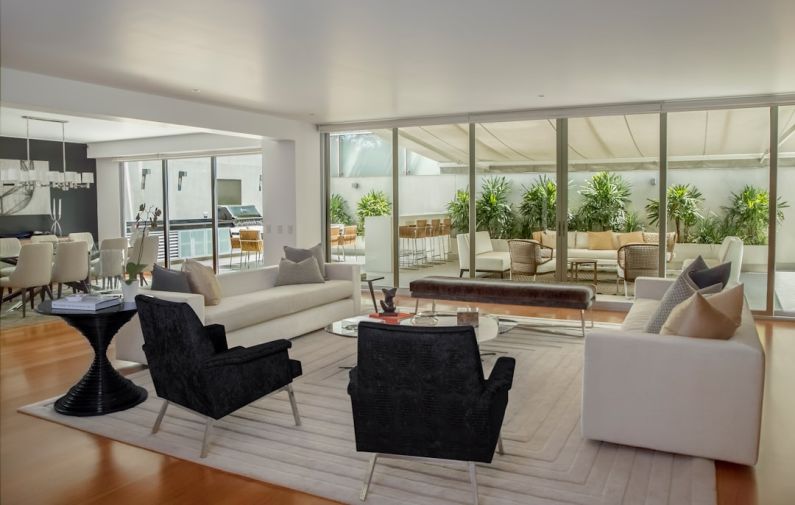
Natural light can make a significant difference in how spacious a small space appears. Make sure to maximize the amount of natural light entering your room by keeping windows unobstructed and using sheer curtains or blinds that allow light to pass through. If privacy is a concern, consider using frosted glass or translucent window film to maintain privacy while still letting in natural light.
By following these tips and implementing smart design strategies, you can transform your small space into a visually larger and more inviting living area. Remember, the key is to create an illusion of space through the use of light colors, strategic placement of mirrors, and the selection of multifunctional furniture. With a little creativity and careful planning, you can make your small space feel like a spacious haven.