How to Mix and Match Patterns in Your Home?
Patterns can add depth, character, and visual interest to any space. However, combining different patterns in your home can be a daunting task. It’s easy to be overwhelmed by the fear of clashing designs and ending up with a chaotic mess. But fear not! With a few simple guidelines and tricks, you can easily mix and match patterns in your home with confidence and style. Here’s how:
Start with a neutral base
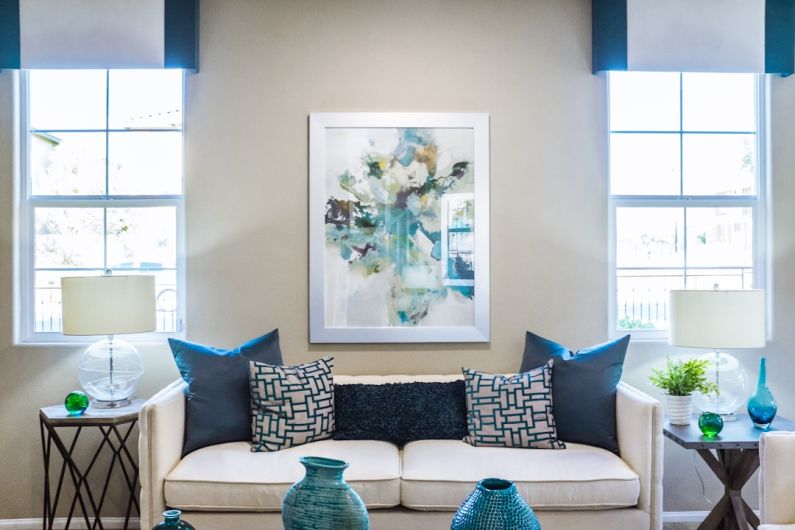
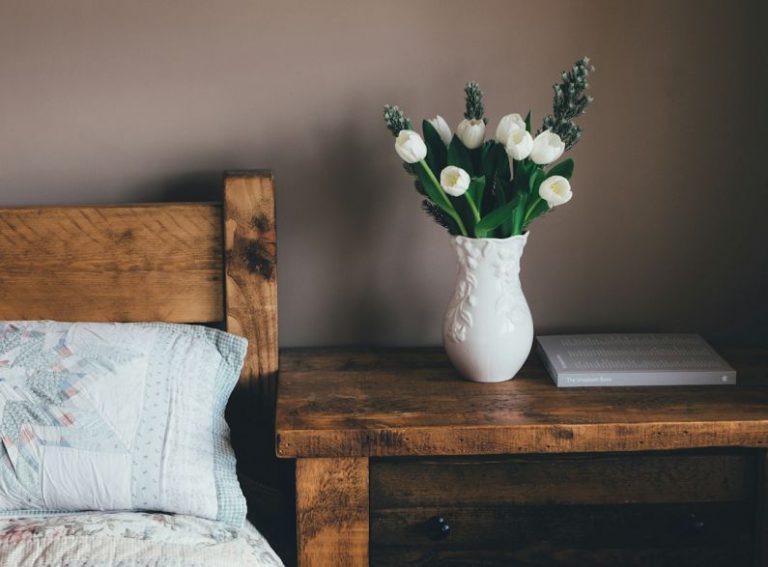
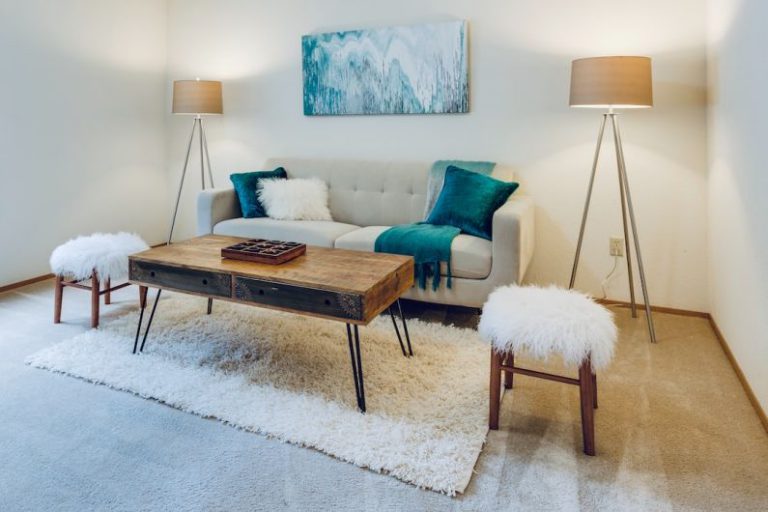
Before diving into the world of patterns, it’s essential to establish a neutral base. This will serve as a foundation for your pattern mixing. Opt for neutral-colored walls, furniture, and flooring. Shades of white, beige, or gray provide a calming backdrop that allows patterns to shine without overwhelming the space.
Choose a dominant pattern
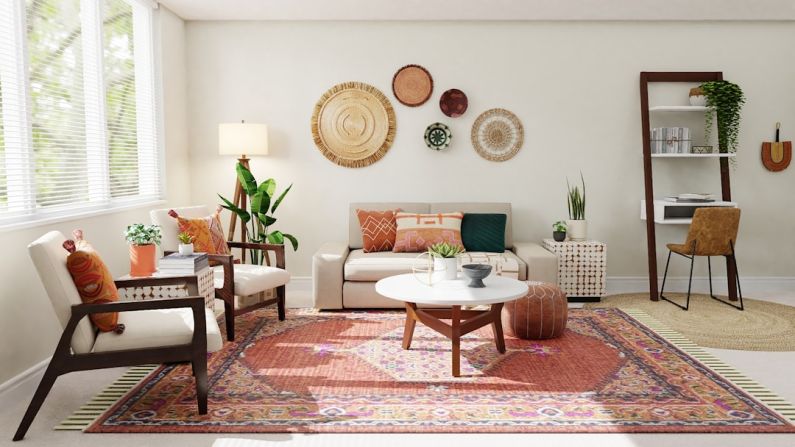
Once you have your neutral base, select one dominant pattern to anchor the room. This pattern will be the focal point and set the tone for the rest of the space. It could be a large floral print on a sofa, a bold geometric rug, or a striking wallpaper. The key is to choose a pattern that you love and feel confident working with.
Consider scale and proportion
When mixing patterns, it’s crucial to pay attention to scale and proportion. Vary the sizes of the patterns to create visual interest. For example, pair a large-scale floral print with a smaller geometric pattern or a delicate stripe. This contrast in scale will prevent the patterns from competing with each other and create a harmonious balance.
Stick to a color palette
To avoid a clash of patterns, select a cohesive color palette for your space. This doesn’t mean that all patterns must be the exact same color. Instead, choose a range of colors that complement each other and appear throughout the room. For example, if your dominant pattern has shades of blue, incorporate complementary patterns in lighter or darker shades of blue, along with a few accent colors for visual interest.
Mix different pattern types
A successful pattern mix involves combining different types of patterns. Experiment with florals, stripes, geometrics, plaids, and abstract designs. The key is to strike a balance between contrasting and complementary patterns. For example, pair a bold, graphic print with a more subtle, organic pattern. This combination adds depth and visual intrigue to your space.
Layer patterns with solids
To prevent your patterns from overwhelming the room, it’s important to incorporate solid-colored elements. Use solid-colored pillows, curtains, or furniture pieces to break up the patterns and provide visual relief. This will also create a sense of balance and prevent the room from feeling too busy.
Use patterned accessories
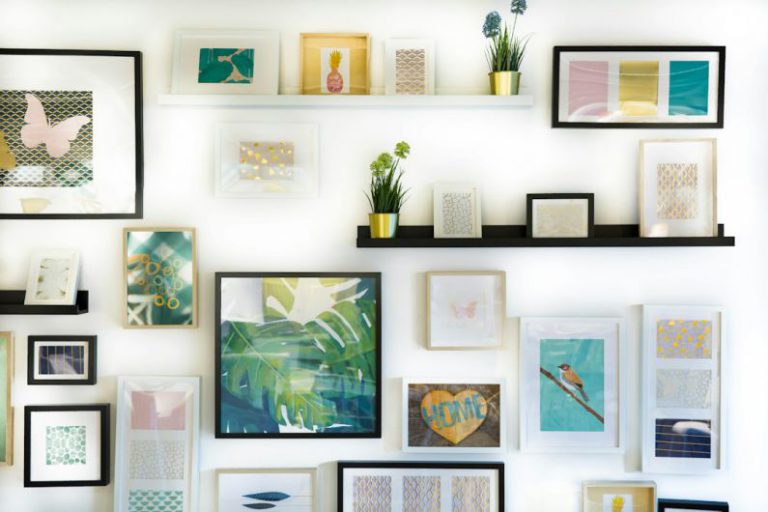
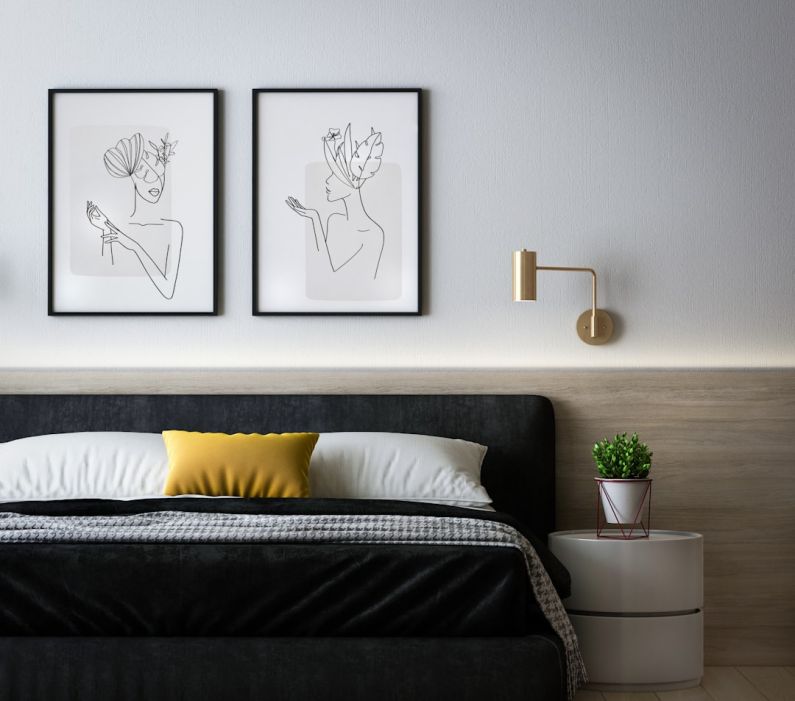
If you’re still unsure about fully embracing pattern mixing, start small by incorporating patterned accessories. Use patterned throw pillows, blankets, or artwork to introduce patterns gradually. This approach allows you to experiment and find what works best for your space without overwhelming the overall design.
Experiment and have fun
Mixing patterns in your home should be a fun and creative process. Don’t be afraid to take risks and step out of your comfort zone. Play around with different combinations and trust your instincts. Remember, there are no hard and fast rules when it comes to design. It’s all about finding what speaks to you and creating a space that reflects your unique style and personality.
In conclusion
Mixing and matching patterns in your home can transform a dull space into a vibrant and visually exciting one. By starting with a neutral base, choosing a dominant pattern, considering scale and proportion, sticking to a color palette, and experimenting with different pattern types, you can create a harmonious and stylish space that reflects your personal taste. So go ahead, embrace the world of patterns, and let your creativity soar!