
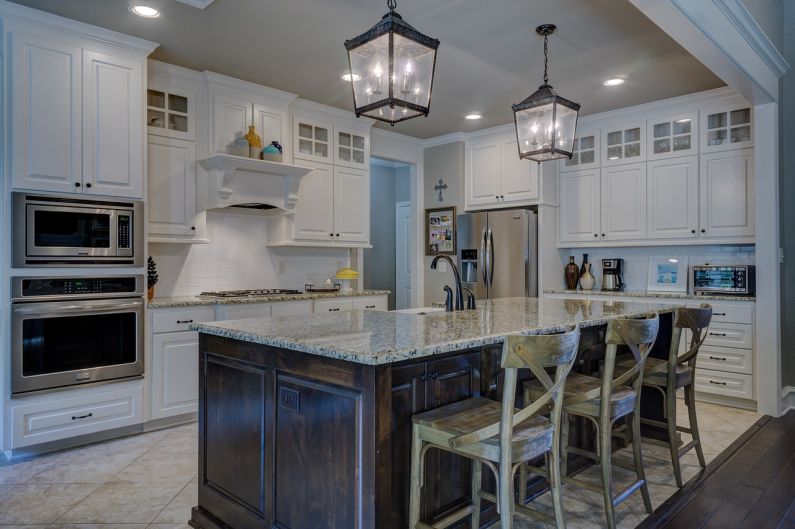
How to Prevent Mold in Your Bathroom and Kitchen?
Mold is a common problem in bathrooms and kitchens due to the high levels of moisture present in these areas. Not only is mold unsightly, but it can also pose a health risk to you and your family. Fortunately, there are steps you can take to prevent mold from growing in your bathroom and kitchen. In this article, we will discuss some effective strategies to keep these areas mold-free.
Keep Your Bathroom and Kitchen Well-Ventilated
One of the most important ways to prevent mold growth is to ensure proper ventilation in your bathroom and kitchen. Mold thrives in humid environments, so it’s essential to remove excess moisture from the air. Make sure your bathroom and kitchen are equipped with exhaust fans that can effectively remove moisture and promote air circulation. Running these fans during and after showering or cooking can significantly reduce the humidity levels and prevent mold growth.
Repair Leaks and Seal Cracks
Leaking pipes or faucets can create a breeding ground for mold. Regularly inspect your bathroom and kitchen for any signs of leaks and address them promptly. Fixing leaks not only reduces the risk of mold growth but also helps conserve water and prevent structural damage. Additionally, seal any cracks or gaps in your bathroom and kitchen walls, floors, and windows to prevent moisture from seeping in and creating a conducive environment for mold.
Clean and Dry Regularly
Regular cleaning and drying are crucial in preventing mold growth. After using the bathroom or kitchen, wipe down surfaces with a dry cloth to remove any excess moisture. Pay extra attention to areas prone to dampness, such as sinks, showers, and countertops. It’s also important to clean your bathroom and kitchen regularly to remove any existing mold spores and prevent them from spreading. Use an effective mold-killing cleaner or a mixture of equal parts water and vinegar to clean surfaces.
Use Mold-Resistant Materials
Utilizing mold-resistant materials in your bathroom and kitchen can significantly reduce the risk of mold growth. Opt for materials such as mold-resistant drywall, which contains additives that make it more resistant to moisture and mold. When choosing flooring, consider options like ceramic tiles or vinyl, which are less prone to mold growth. Additionally, use mold-resistant caulk around sinks, bathtubs, and showers to prevent moisture from seeping into the walls or floors.
Control Humidity Levels
Maintaining appropriate humidity levels is crucial in preventing mold growth. A humidity level between 30% and 60% is generally recommended to inhibit mold growth. Invest in a hygrometer to monitor the humidity levels in your bathroom and kitchen regularly. If the humidity levels exceed the recommended range, use a dehumidifier to remove excess moisture from the air. You can also use moisture-absorbing products like silica gel or desiccants in cabinets and drawers to keep them dry.
Conclusion: Take Action to Prevent Mold
Preventing mold growth in your bathroom and kitchen requires consistent effort and a proactive approach. By keeping these areas well-ventilated, repairing leaks and sealing cracks, regularly cleaning and drying, using mold-resistant materials, and controlling humidity levels, you can effectively prevent mold from taking hold. Remember, mold prevention is not a one-time task, but rather an ongoing process that requires your attention and diligence. By following these preventive measures, you can ensure a mold-free environment in your bathroom and kitchen, promoting the overall health and well-being of your home.