How to Build a Green Roof or Living Wall?
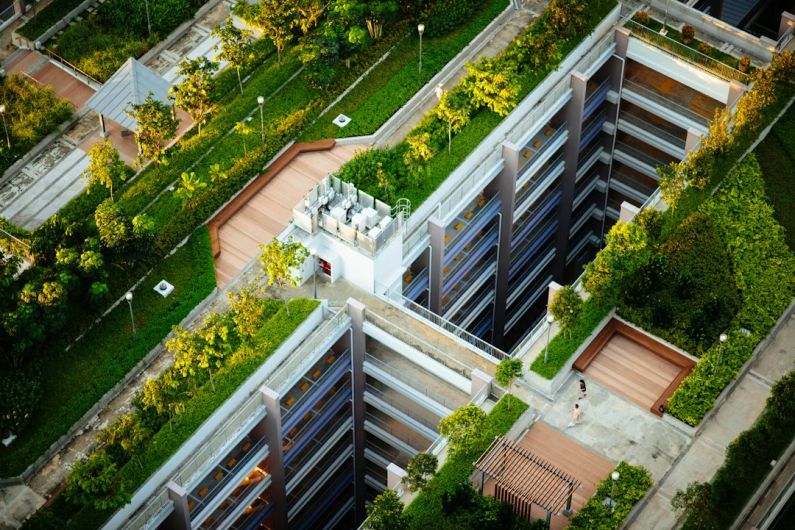
Green roofs and living walls are becoming increasingly popular as people look for ways to incorporate nature into urban environments. Not only do they add beauty and aesthetic appeal, but they also provide numerous environmental benefits. If you’re interested in creating your own green roof or living wall, here’s a step-by-step guide to help you get started.
Choosing the Right Location
Before you begin, it’s important to select the right location for your green roof or living wall. Both options require adequate sunlight, so choose an area that receives at least six hours of direct sunlight each day. Additionally, ensure that the structure you’ll be attaching the greenery to is strong enough to support the weight.
Preparing the Surface
Once you’ve identified the ideal location, the next step is to prepare the surface. For a green roof, this involves removing any existing vegetation and debris. Ensure that the surface is clean and free from any loose materials. For a living wall, you’ll need to install a waterproof membrane to protect the underlying structure from water damage.
Choosing the Right Plants
Selecting the right plants is crucial for the success of your green roof or living wall. Opt for native plants that are well-suited to your region’s climate and conditions. These plants are more likely to thrive and require less maintenance. Additionally, choose a variety of plants that offer different textures, colors, and heights to create a visually appealing display.
Installing the Green Roof
To build a green roof, start by laying down a protective layer, such as a rubber or plastic sheet, to prevent water leakage. Next, add a layer of drainage material, such as gravel or crushed stone, to ensure proper water flow. On top of this, add a layer of soil specifically formulated for green roofs. Finally, carefully plant your chosen vegetation, ensuring that each plant has enough space to grow.
Constructing the Living Wall
A living wall requires a sturdy frame to support the weight of the plants and soil. Build a wooden or metal frame, ensuring that it is securely attached to the surface. Next, install a layer of landscape fabric to retain moisture and prevent soil erosion. Fill the frame with a lightweight soil mix that is well-draining. Finally, carefully plant your chosen plants, starting from the bottom and working your way up.
Maintaining Your Green Roof or Living Wall
Once your green roof or living wall is complete, regular maintenance is essential to ensure its long-term success. Water your plants regularly, especially during dry periods, and remove any weeds or dead foliage. Inspect the structure periodically for any signs of damage or leakage, making any necessary repairs promptly.
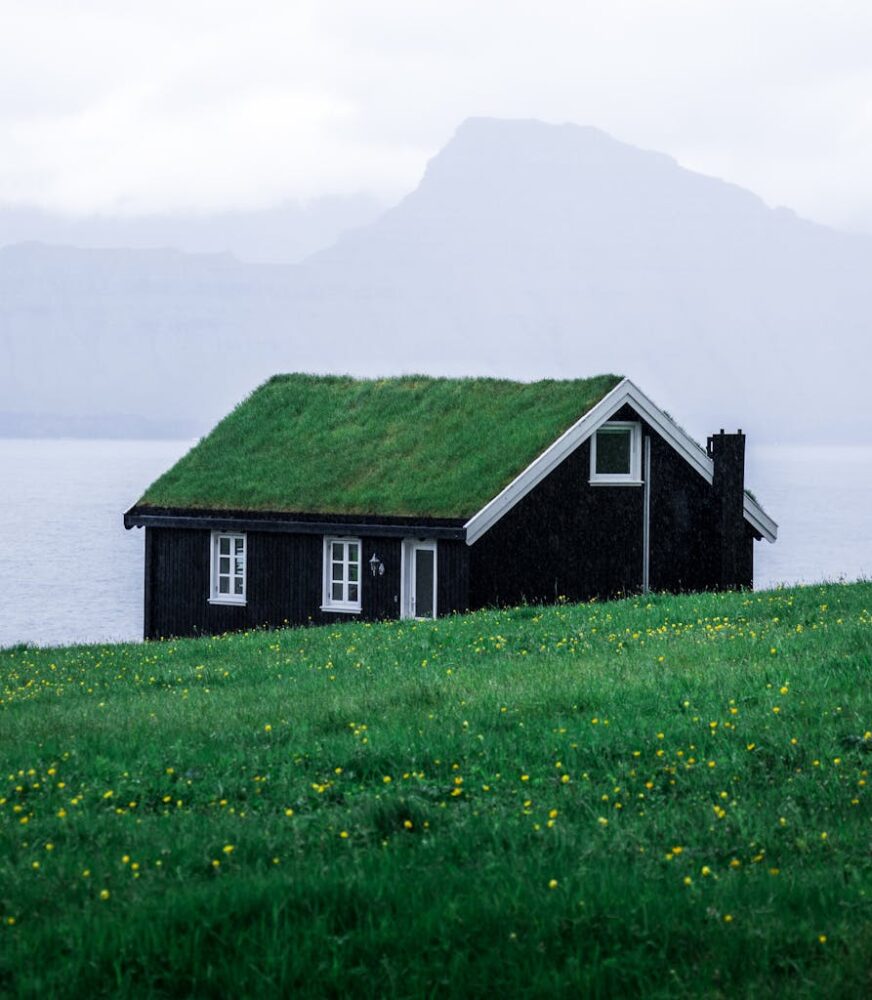
The Benefits of Green Roofs and Living Walls
Green roofs and living walls offer numerous benefits for both the environment and the building they are attached to. They help to reduce the urban heat island effect by providing shade and insulation. They also improve air quality by filtering pollutants and reducing noise pollution. Additionally, green roofs and living walls can help to manage stormwater runoff, reducing the strain on local sewer systems.
In conclusion
Building a green roof or living wall is a rewarding project that allows you to bring nature into urban spaces. By following these steps and choosing the right plants, you can create a beautiful and environmentally friendly addition to your home or building. Not only will you enjoy the aesthetic benefits, but you’ll also be contributing to a healthier and more sustainable future.