How to Switch to Renewable Energy Sources?
In today’s world, where the effects of climate change are becoming increasingly evident, there is a growing need for individuals and communities to transition to renewable energy sources. Renewable energy, such as solar, wind, and hydroelectric power, is not only cleaner and more sustainable than fossil fuels but also provides numerous benefits for the environment and our future generations. If you are looking to make the switch to renewable energy, here are some practical steps to help you get started.
Understanding the Benefits of Renewable Energy
Before diving into the process of switching to renewable energy sources, it is crucial to understand the many benefits they offer. First and foremost, renewable energy is clean and produces little to no greenhouse gas emissions, which contribute to global warming. By utilizing renewable energy sources, you can significantly reduce your carbon footprint and help combat climate change.
Additionally, renewable energy is abundant and inexhaustible, unlike fossil fuels, which are finite resources. This means that as long as the sun shines, the wind blows, and rivers flow, we will have access to clean energy. Furthermore, renewable energy sources can provide energy independence, as they can be generated locally, reducing reliance on imported fossil fuels and volatile energy markets.
Assessing Your Energy Consumption
To effectively switch to renewable energy, it is essential to evaluate your current energy consumption. Start by reviewing your energy bills to determine your average monthly usage. This will help you understand how much renewable energy you will need to generate to meet your needs.
Next, consider conducting an energy audit of your home or business. This involves identifying energy inefficiencies, such as drafts, outdated appliances, or poor insulation. By addressing these issues, you can reduce your overall energy consumption and make the most of the renewable energy you generate.
Exploring Renewable Energy Options
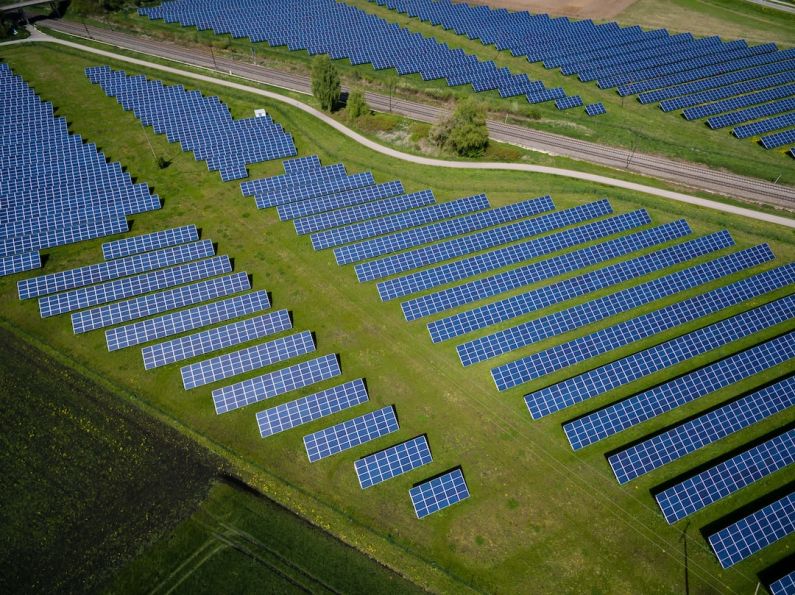
Once you have a clear understanding of your energy consumption, it’s time to explore the renewable energy options available to you. Solar power, for example, is one of the most popular and accessible forms of renewable energy. Consider installing solar panels on your property to harness the sun’s energy and convert it into electricity. Many governments and organizations also offer incentives and subsidies to support the adoption of solar power.
Wind power is another viable option, particularly for those living in windy regions. Small-scale wind turbines can be installed on residential or commercial properties to generate electricity. However, it is essential to assess the wind potential in your area before investing in a wind turbine.
Hydroelectric power is yet another renewable energy source to consider, especially if you live near a flowing body of water, such as a river or stream. Micro-hydro systems can be installed to generate electricity from the movement of water, offering a reliable and consistent source of renewable energy.
Seeking Professional Assistance
While transitioning to renewable energy may seem like a daunting task, seeking professional assistance can make the process much smoother. Engaging with renewable energy consultants or experts can help you determine the most suitable renewable energy system for your needs, provide guidance on installation and maintenance, and assist with navigating any local regulations or permits required.
In addition, consider reaching out to local renewable energy associations or organizations. These groups often provide resources, workshops, and networking opportunities to support individuals and communities in their transition to renewable energy.
Embracing a Sustainable Future
Switching to renewable energy sources is not only a responsible choice for the environment but also a step towards a more sustainable future. By understanding the benefits, assessing your energy consumption, exploring renewable energy options, and seeking professional assistance, you can make a significant contribution to reducing greenhouse gas emissions and promoting a cleaner, greener world. Start your journey towards renewable energy today and be a part of the solution for a better tomorrow.