How to Design a Space with Cultural Influences?
Designing a space with cultural influences can be a captivating endeavor. By infusing elements from different cultures, you can create a unique and vibrant environment that reflects a rich tapestry of traditions and aesthetics. Whether you want to incorporate elements from your own culture or draw inspiration from a different one, here are some tips to help you design a space with cultural influences.
Understand the Cultural Context
Before you begin designing, it is essential to gain a deep understanding of the cultural context you wish to incorporate. Research the history, traditions, and symbolism behind the elements you want to include. This will help you create a more authentic and meaningful design that pays homage to the culture you are drawing from.
Colors and Patterns
Colors and patterns play a significant role in cultural aesthetics. Different cultures have distinct color palettes and patterns that are deeply rooted in their traditions and beliefs. For example, vibrant and bold colors are often associated with Indian and African cultures, while pastel shades are prevalent in Scandinavian design. Incorporating these colors and patterns into your space can instantly evoke the cultural influences you desire.
Furniture and Decor
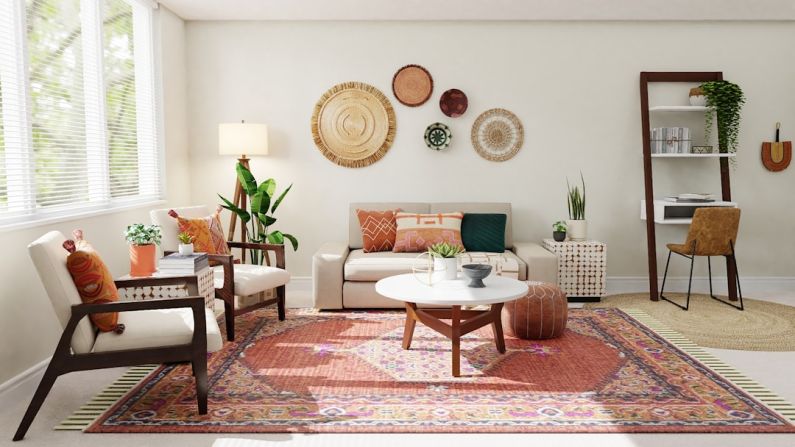
Furniture and decor are excellent ways to infuse cultural influences into your space. Look for furniture pieces and decorative items that are representative of the culture you wish to incorporate. For example, Japanese culture is known for its minimalistic and functional design, which can be reflected in clean lines and natural materials like wood and bamboo. Moroccan culture, on the other hand, is characterized by intricate patterns, vibrant textiles, and decorative tiles, which can be incorporated through rugs, pillows, and wall art.
Art and Artifacts
Art and artifacts are powerful tools for showcasing cultural influences in your space. Authentic pieces from different cultures can add a touch of history and uniqueness to your design. Consider incorporating traditional artwork, sculptures, or handicrafts that represent the culture you are drawing inspiration from. These pieces not only add visual interest but also serve as conversation starters and reminders of the diverse world we live in.
Lighting
Lighting is an often overlooked aspect of design, but it can significantly impact the ambiance and overall feel of a space. Different cultures have distinct lighting traditions and styles. For example, Japanese culture is known for its use of soft and diffused lighting, which creates a serene and calming atmosphere. Moroccan culture, on the other hand, embraces warm and colorful lighting, creating a vibrant and lively ambiance. By incorporating lighting fixtures and techniques from different cultures, you can enhance the cultural influences in your space.
Balancing Modernity and Tradition
When designing a space with cultural influences, it is important to strike a balance between modernity and tradition. While you want to incorporate elements from different cultures, it is essential to ensure that they harmonize with the overall design aesthetic and functionality of the space. Avoid creating a mishmash of styles by selecting a few key cultural elements and integrating them seamlessly into the design.
In conclusion, designing a space with cultural influences can be a rewarding and enriching experience. By understanding the cultural context, incorporating colors and patterns, selecting appropriate furniture and decor, showcasing art and artifacts, utilizing appropriate lighting, and balancing modernity and tradition, you can create a space that reflects the rich tapestry of our diverse world. Remember, the key is to approach the design process with respect, authenticity, and a desire to celebrate and honor the cultures you draw inspiration from.