How to Incorporate Solar Energy into Your Home?
Solar energy is a clean and sustainable source of power that is becoming increasingly popular among homeowners. By harnessing the power of the sun, you can reduce your carbon footprint and save money on your energy bills. If you’re considering incorporating solar energy into your home, here are some practical tips to help you get started.
Assess Your Energy Needs
Before you begin the process of installing solar panels, it’s important to assess your energy needs. Take a look at your monthly energy bills and determine how much electricity you consume on average. This will help you determine the size and number of solar panels you’ll need to meet your energy requirements.
Choose the Right Solar Panels
There are different types of solar panels available in the market, so it’s crucial to choose the right ones for your home. Monocrystalline panels are known for their high efficiency and sleek appearance, while polycrystalline panels are more affordable but less efficient. Thin-film panels are flexible and can be easily integrated into building materials. Consider your budget, energy needs, and aesthetic preferences when selecting solar panels for your home.
Find the Optimal Location
To maximize the efficiency of your solar panels, they should be installed in a location that receives ample sunlight throughout the day. Ideally, the panels should face south to capture the maximum amount of sunlight. However, if south-facing installation is not possible, east or west-facing panels can still generate a significant amount of energy. Avoid shading from trees or nearby buildings, as it can greatly diminish the output of your solar panels.
Work with a Professional Installer
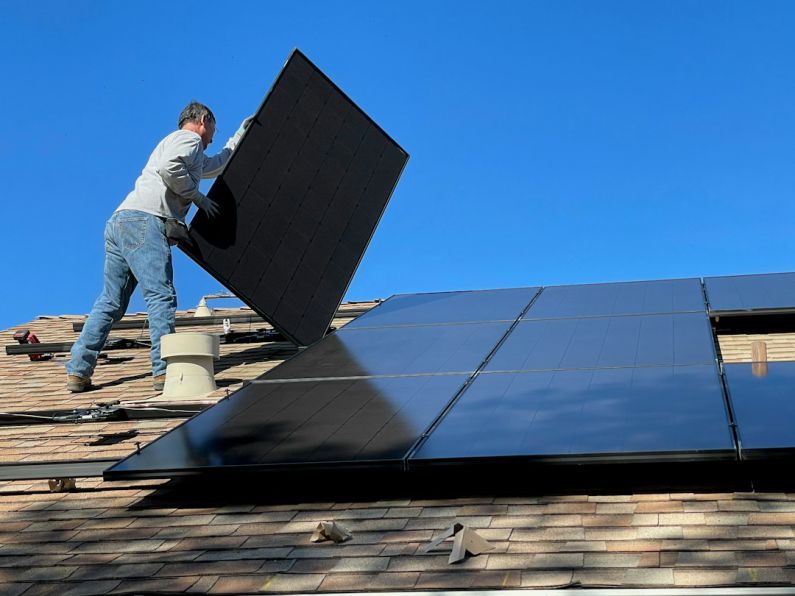
While it may be tempting to install solar panels yourself, it’s best to work with a professional installer. They have the knowledge, experience, and tools to ensure that your solar system is installed correctly and safely. Additionally, professional installers can help you navigate the permitting and rebate process, saving you time and hassle.
Consider Battery Storage
If you want to maximize the benefits of solar energy, consider incorporating battery storage into your system. Batteries allow you to store excess solar energy during the day and use it during the night or during power outages. This can provide you with greater energy independence and resilience.
Monitor Your Energy Production
Once your solar system is up and running, it’s important to monitor your energy production to ensure it’s functioning optimally. Many solar systems come with monitoring software that allows you to track the energy generated by your panels. By monitoring your energy production, you can identify any issues early on and take corrective action.
Take Advantage of Incentives
Installing solar panels can be a significant upfront investment, but there are various incentives available that can help offset the costs. Check with your local government or utility company to see if there are any tax credits, rebates, or grants available for installing solar energy systems. Additionally, some states offer net metering programs that allow you to earn credits for excess energy generated by your solar panels.
Conclusion: Embrace the Power of the Sun
Incorporating solar energy into your home is a smart and sustainable way to reduce your carbon footprint and save money on your energy bills. By assessing your energy needs, choosing the right solar panels, finding the optimal location, working with a professional installer, considering battery storage, monitoring your energy production, and taking advantage of incentives, you can harness the power of the sun and enjoy the benefits of clean, renewable energy. Embrace solar energy and make a positive impact on the environment while enjoying long-term savings.