
How to Evaluate a Home’s Resale Potential?
When it comes to buying a home, it’s important to consider not only your immediate needs, but also the potential for resale value down the line. Whether you’re planning on selling in the near future or are simply thinking ahead, evaluating a home’s resale potential is a crucial step in the purchasing process. In this article, we will discuss some key factors to consider when assessing a home’s resale potential.
Location, Location, Location
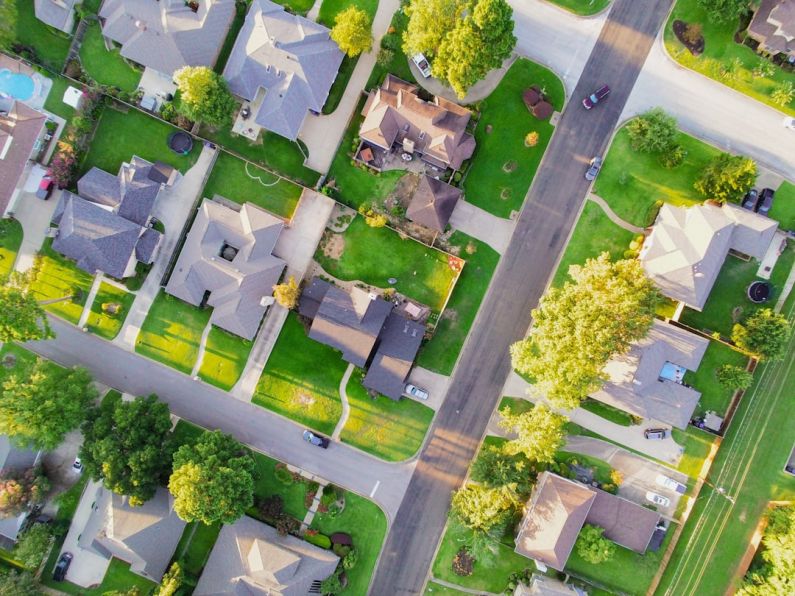
One of the most important factors to consider is the location of the property. A home in a desirable neighborhood with good schools, amenities, and proximity to major transportation routes will generally have a higher resale value. Take into account the overall desirability of the area, as well as any upcoming development plans or infrastructure improvements that may impact the value of the property.
Curb Appeal and First Impressions
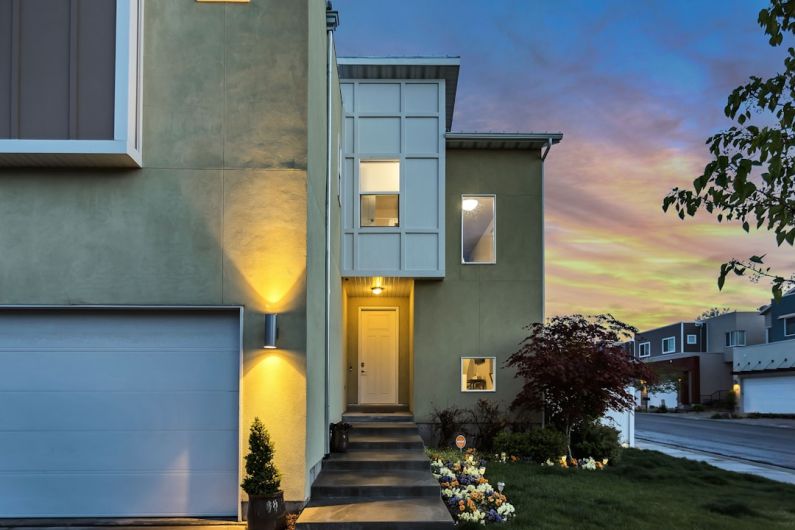
First impressions matter, especially when it comes to selling a home. A property with strong curb appeal will attract more potential buyers and command a higher price. Look for homes with well-maintained exteriors, attractive landscaping, and a welcoming entrance. Consider the overall condition of the neighborhood and any potential for future improvements or changes that may impact the property’s value.
Layout and Floor Plan
The layout and floor plan of a home also play a significant role in its resale potential. Look for homes with a functional and flexible layout that can accommodate a wide range of lifestyles and preferences. Open-concept living spaces, ample storage, and well-proportioned rooms are all desirable features that can increase a home’s value. Avoid properties with awkward or inefficient layouts that may limit potential buyers’ interest.
Upgrades and Renovations
Consider the current condition of the property and any upgrades or renovations that have been done. Updated kitchens and bathrooms, modern appliances, and energy-efficient features are all attractive to buyers and can increase a home’s resale value. However, be cautious of over-improving a property, as not all upgrades will provide a positive return on investment. Focus on improvements that are in line with the overall value of the neighborhood.
Potential for Expansion
Another important factor to consider is the potential for expansion or renovation. A home that offers the opportunity to add square footage or additional bedrooms and bathrooms can significantly increase its resale value. Look for properties with large lots, unfinished basements, or attic spaces that can be converted. However, be mindful of any zoning or building restrictions that may limit your ability to make changes.
Market Trends and Conditions
Lastly, it’s important to consider the current market trends and conditions when evaluating a home’s resale potential. Research the local real estate market to understand if it’s a buyer’s or seller’s market. Analyze recent sales data to get an idea of how quickly homes are selling and at what prices. This information can help you determine whether or not it’s a good time to invest in a particular property.
In conclusion,
Evaluating a home’s resale potential requires careful consideration of several key factors. From the location and curb appeal to the layout, upgrades, and potential for expansion, there are many elements to take into account. Additionally, staying informed about the current market trends and conditions is essential for making a well-informed decision. By thoroughly evaluating these factors, you can ensure that you’re making a sound investment and setting yourself up for future success when it comes time to sell.