How to Use Rainwater Harvesting for Your Garden?
Rainwater harvesting is a sustainable and cost-effective way to water your garden. By collecting rainwater, you can reduce your reliance on municipal water supplies and conserve water resources. In this article, we will discuss how to use rainwater harvesting for your garden.
Choosing the Right Rainwater Harvesting System
Before you start collecting rainwater for your garden, you need to choose the right rainwater harvesting system. There are several options available, including rain barrels, cisterns, and underground storage tanks. Consider the size of your garden and the amount of rainfall in your area when selecting a system.
Installing Gutters and Downspouts
To collect rainwater effectively, you need to install gutters and downspouts on your roof. Gutters will catch the rainwater and direct it to the downspouts, which will carry the water to your rainwater harvesting system. Make sure to clean your gutters regularly to prevent any debris from clogging the system.
Placing Rain Barrels or Cisterns
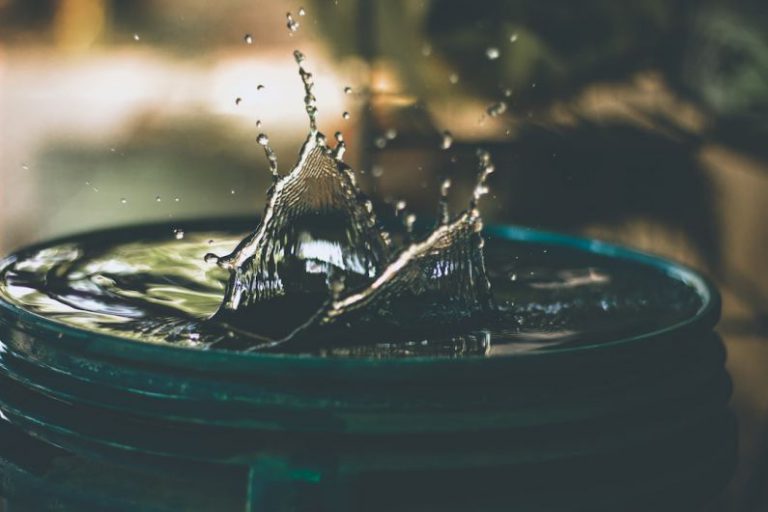
Once you have installed gutters and downspouts, it is time to place your rain barrels or cisterns. You should position them directly under the downspouts to collect as much rainwater as possible. Ensure that the containers are stable and level to prevent any accidents or spillage.
Using a Filter System
To ensure the quality of the collected rainwater, it is recommended to use a filter system. This will remove any debris or contaminants from the water, making it safe for your plants. There are different types of filters available, such as mesh screens and sediment filters. Choose the one that suits your needs and install it in your rainwater harvesting system.
Connecting to Your Garden
Now that you have set up your rainwater harvesting system, it is time to connect it to your garden. You can use a hose or irrigation system to distribute the collected rainwater to your plants. Make sure to use a watering can or drip irrigation system for delicate plants to avoid overwatering.
Monitoring and Maintenance
Regular monitoring and maintenance are essential to ensure the efficiency of your rainwater harvesting system. Check for any leaks or damage to your gutters, downspouts, and containers. Clean the filters regularly to prevent clogging and maintain the quality of the collected rainwater.
Benefits of Rainwater Harvesting
Rainwater harvesting offers numerous benefits for your garden and the environment. Firstly, it reduces your water bills by utilizing a free and abundant resource. Secondly, it promotes self-sufficiency by reducing your reliance on municipal water supplies. Thirdly, it conserves water resources by utilizing rainwater instead of tap water. Lastly, it helps to prevent stormwater runoff and reduces the risk of flooding.
Conclusion: Sustainable Watering Solution
In conclusion, rainwater harvesting is a sustainable and cost-effective way to water your garden. By collecting rainwater, you can reduce your water bills, conserve water resources, and promote self-sufficiency. Remember to choose the right rainwater harvesting system, install gutters and downspouts, use a filter system, and connect the collected rainwater to your garden. Regular monitoring and maintenance are essential to ensure the efficiency of your system. Embrace rainwater harvesting and enjoy the benefits of a greener and more sustainable garden.