How to Make Your Own Natural Cleaning Products?
Keeping our homes clean and free from harmful chemicals is a priority for many people. With the rise in awareness about the negative impacts of synthetic cleaning products on our health and the environment, more and more individuals are turning to natural alternatives. In this article, we will explore how to make your own natural cleaning products using simple ingredients that you may already have at home.
1. All-Purpose Cleaner
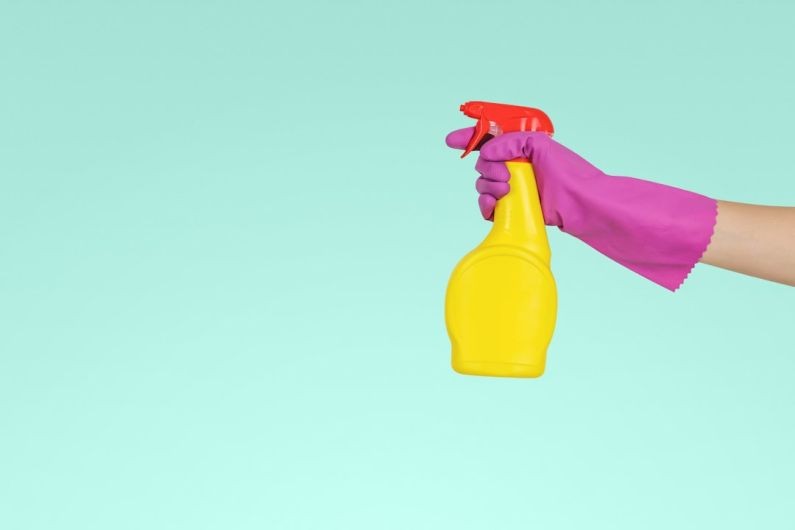
An all-purpose cleaner is a must-have in any cleaning arsenal. To make your own, simply combine equal parts of water and white vinegar in a spray bottle. This mixture is effective in removing dirt, grease, and grime from various surfaces, including countertops, windows, and floors. For a fresh scent, you can add a few drops of essential oil, such as lemon or lavender.
2. Glass Cleaner
For streak-free and shiny windows and mirrors, you can create your own natural glass cleaner. In a spray bottle, mix two cups of water with half a cup of distilled white vinegar and one tablespoon of cornstarch. Shake well before using, and apply to the glass surface with a microfiber cloth or sponge. Wipe away the solution with a clean, dry cloth for a spotless finish.
3. Oven Cleaner
Cleaning the oven can be a daunting task, especially when dealing with harsh chemicals. However, with a homemade oven cleaner, you can tackle the grime without exposing yourself to harmful substances. In a small bowl, mix half a cup of baking soda with a few tablespoons of water until you form a paste. Apply the paste to the interior of the oven, avoiding the heating elements. Let it sit overnight, then wipe away the paste with a damp cloth the next day.
4. Carpet Freshener
To keep your carpets smelling fresh and clean, you can make your own natural carpet freshener. In a jar, combine one cup of baking soda with 10-15 drops of your favorite essential oil. Shake the mixture well to distribute the oil evenly throughout the baking soda. Sprinkle the mixture liberally onto your carpet and let it sit for at least 30 minutes. Vacuum thoroughly to remove both the baking soda and any unpleasant odors.
5. Toilet Cleaner
Cleaning the toilet is a necessary chore, but it doesn’t have to involve harsh chemicals. To make your own natural toilet cleaner, mix half a cup of baking soda with half a cup of distilled white vinegar. Pour the mixture into the toilet bowl and let it fizz for a few minutes. Then, scrub the bowl with a toilet brush and flush. For stubborn stains, you can add a few drops of tea tree oil to the mixture for its natural antibacterial properties.
Making your own natural cleaning products not only helps to reduce your exposure to harmful chemicals but also promotes a healthier environment. With just a few simple ingredients, you can create effective cleaners for various household tasks. So why not give it a try and embark on a greener, cleaner journey today?
In conclusion, making your own natural cleaning products is a simple and cost-effective way to maintain a clean and healthy home. By using ingredients like vinegar, baking soda, and essential oils, you can effectively clean your home without the use of harsh chemicals. So go ahead and give it a try – your home and the environment will thank you!