
How to Update Your Home’s Insulation on a Budget?
If you’re looking to improve the energy efficiency of your home, updating your insulation is a great place to start. Insulation helps to keep your home warm in the winter and cool in the summer, reducing your energy bills and increasing your comfort. However, the cost of updating insulation can sometimes be prohibitive. In this article, we will explore some budget-friendly options for updating your home’s insulation.
1. Assess Your Current Insulation
Before you begin updating your insulation, it’s important to assess the current state of your home’s insulation. Check the attic, walls, and floors for any signs of wear or damage. Look out for areas where insulation may be missing or improperly installed. Identifying these problem areas will help you prioritize your insulation updates and allocate your budget more effectively.
2. Seal Air Leaks
One of the most cost-effective ways to improve your home’s insulation is by sealing air leaks. Air leaks around windows, doors, and electrical outlets can let in drafts that compromise your home’s insulation. Use caulk or weatherstripping to seal these gaps and prevent air leakage. This simple step can significantly improve the energy efficiency of your home without breaking the bank.
3. Upgrade Attic Insulation
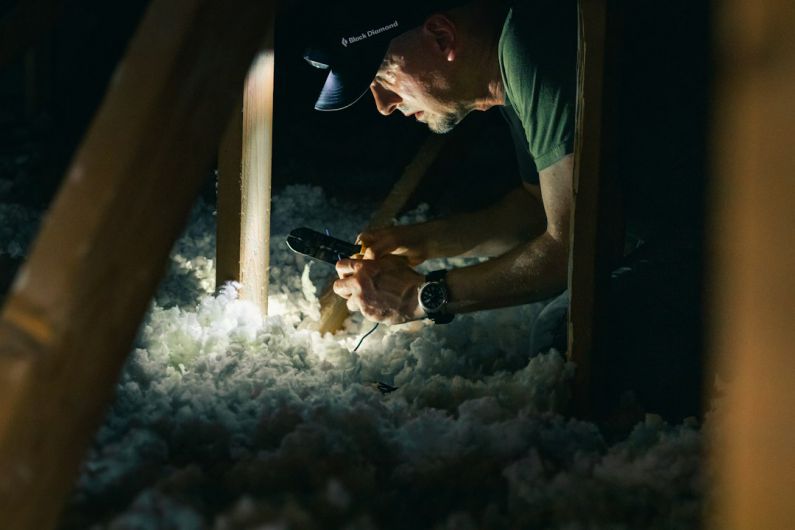
The attic is often the most significant source of heat loss in a home. By upgrading your attic insulation, you can make a big impact on your home’s energy efficiency. Consider adding additional insulation to the attic floor or insulating the attic walls and roof. Fiberglass batts, cellulose, or blown-in insulation are affordable options that can provide excellent thermal performance.
4. Insulate the Walls
Insulating the walls can be a more challenging and costly project, but it is a worthwhile investment for long-term energy savings. If you have easy access to the walls, consider using blown-in insulation. This method involves drilling small holes in the walls and blowing insulation into the cavities. It’s an effective way to fill gaps and ensure a tight seal. If accessing the walls is difficult, consider insulating the exterior walls with insulated siding or adding an insulating layer to the interior walls.
5. Focus on Windows and Doors
Windows and doors are notorious for letting in drafts. While replacing them with energy-efficient models can be costly, there are budget-friendly alternatives. Use weatherstripping or draft stoppers to seal gaps around windows and doors. Consider installing window film or thermal curtains to provide an additional layer of insulation. These small changes can make a big difference in reducing heat loss and improving energy efficiency.
6. Utilize Insulated Window Coverings
In addition to weatherstripping and window film, insulated window coverings can provide an extra layer of insulation. Insulated blinds or shades are designed to trap air and create a barrier between the window and your home. They not only improve insulation but also provide privacy and block out light. Look for options that offer both thermal and blackout features for maximum energy savings.
In conclusion, updating your home’s insulation doesn’t have to break the bank. By assessing your current insulation, sealing air leaks, upgrading attic insulation, insulating the walls, focusing on windows and doors, and utilizing insulated window coverings, you can improve the energy efficiency of your home on a budget. These cost-effective measures will not only save you money on energy bills but also enhance the comfort of your living space. Start with small steps and gradually work towards a well-insulated home that will benefit you for years to come.