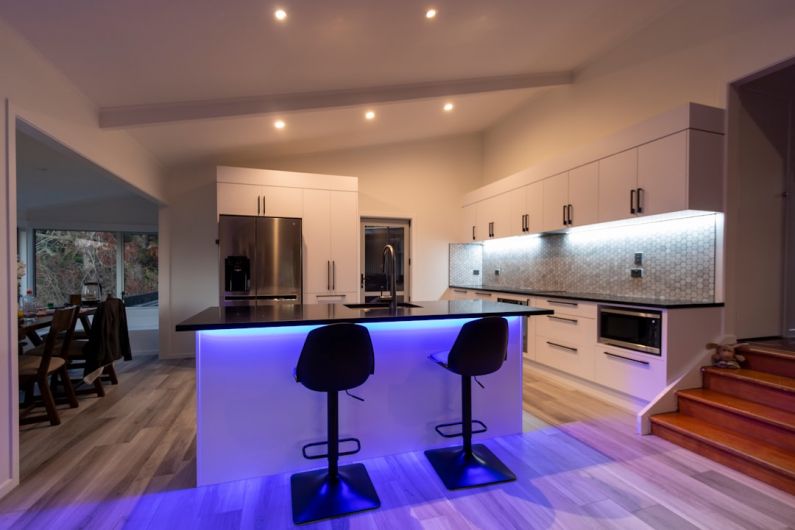
How to Install Low-energy Led Lighting?
LED lighting has become increasingly popular in recent years due to its energy efficiency and longevity. LED lights consume significantly less energy compared to traditional incandescent or fluorescent lights, making them an excellent choice for both residential and commercial applications. If you are considering installing low-energy LED lighting in your home or office, this article will guide you through the installation process step by step.
Choosing the Right LED Lights
Before you begin the installation process, it is important to choose the right LED lights for your space. LED lights come in various shapes, sizes, and color temperatures, so consider the purpose of the lighting and the ambiance you want to create. You can find LED lights for general lighting, task lighting, accent lighting, and even decorative lighting.
Additionally, make sure to check the wattage and lumen output of the LED lights. The wattage will determine the amount of power consumed by the light, while the lumen output will indicate the brightness level. It is essential to select LED lights that meet your specific requirements.
Gathering the Necessary Tools and Materials
To install low-energy LED lighting, you will need a few basic tools and materials. These include a screwdriver, wire strippers, electrical tape, wire connectors, and a ladder or step stool if necessary. Ensure that you have all the tools and materials readily available before you begin the installation process to avoid any unnecessary interruptions.
Turning Off the Power
Safety should be your top priority when working with electricity. Therefore, before you start installing the LED lights, turn off the power to the area where you will be working. Locate the circuit breaker that controls the lighting circuit and switch it off. Use a voltage tester to ensure that the power is indeed off before proceeding.
Removing the Old Lighting Fixtures
If you are replacing existing lighting fixtures with LED lights, you will need to remove the old fixtures first. Start by removing the light bulbs and any decorative elements attached to the fixtures. Next, unscrew the mounting screws and disconnect the wiring. Take note of how the wires are connected, as you will need to replicate this when installing the LED lights.
Installing the LED Lights
Once you have removed the old fixtures, it is time to install the LED lights. Begin by connecting the wires of the LED light fixture to the corresponding wires in the electrical box. Strip the ends of the wires using wire strippers and twist them together using wire connectors. Make sure the connections are secure and insulated with electrical tape.
After connecting the wires, attach the LED light fixture to the electrical box using the provided screws. Ensure that the fixture is securely mounted and aligned correctly. Finally, insert the LED light bulbs into the fixture and turn on the power to test the installation. If the lights do not turn on, double-check the wiring connections and troubleshoot any issues.
Enjoying the Benefits of Low-energy LED Lighting
By following these simple steps, you can easily install low-energy LED lighting in your home or office. LED lights not only provide energy-efficient lighting but also offer a longer lifespan compared to traditional lighting options. Embrace the benefits of LED technology and enjoy the cost savings and environmental advantages it brings.
In conclusion, the installation of low-energy LED lighting is a straightforward process that can be accomplished with basic tools and materials. By selecting the right LED lights, turning off the power, removing old fixtures, and properly installing the new LED lights, you can enhance the lighting in your space while reducing energy consumption. So, why wait? Start reaping the benefits of LED lighting today!